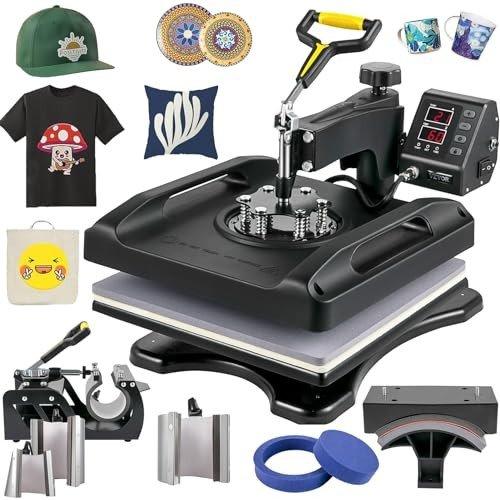
If you're diving into the world of custom clothing, a heat press machine is your best buddy. It makes transferring designs onto fabric super easy. Let's take a look at some of the best heat press machines available right now.
The PowerPress Industrial-Quality Heat Press is a solid choice. It has a wide 15x15 inch surface, making it perfect for T-shirts and hoodies. The temperature goes up to 450°F, and it heats up quickly. Plus, the digital timer helps avoid over-pressing, which can mess up your designs. It's reliable and stands the test of time, making it a favorite among DIYers and small businesses.
Another great option is the Cricut EasyPress 2. This little gem is compact and super user-friendly. With its sleek design, it’s perfect for beginners. The EasyPress heats evenly, so you get those crisp transfers without the guesswork. It's light and portable, making it easy to store when not in use. Plus, it comes in fun colors!
If you want something professional-grade, check out the Fancierstudio Heat Press. This model offers a larger 16x20 inch heating plate, making it great for larger items like blankets or canvas bags. It heats up fast and has a precise temperature control. With this machine, you'll get flawless results every time.
Lastly, the Mecor Heat Press Machine is a hit for its affordability and features. It’s got a sturdy build and a simple interface. The digital display helps you see the settings at a glance, and it comes with a built-in safety feature to keep you safe while working. It’s a great choice if you’re just starting out but still want a reliable machine.
Features to Look for in Heat Presses
Looking for a heat press? You want something that makes your custom designs a breeze. Here are the features that can help you pick the right one.
Heat Plate Size: Consider the size of the heat plate. If you’re printing larger designs, a big plate is essential. Look for at least 15” x 15”, but larger sizes can handle bigger projects.
Temperature Range: The temperature range is key. Many designs and materials need specific heat levels. Your press should go high enough for different vinyls and transfer papers.
Pressure Adjustments: Adjustable pressure makes a big difference. Some materials need a light touch, while others need a firm press. Make sure you can tweak it easily.
Durability: You want a machine that lasts. Look for heat presses made from strong materials. A good warranty can also give you peace of mind.
How to Choose the Right Heat Press
Choosing the right heat press can feel overwhelming with all the options out there. But don't worry! Here are some simple tips to help you pick the best one for your needs.
First, think about the types of projects you’ll be working on. If you’re focusing on t-shirts, a clamshell heat press is a great choice. It's compact and perfect for small spaces. On the other hand, if you plan to work with larger items like hoodies or blankets, consider a swing-away heat press. It gives you more room to maneuver and prevents accidental burns.
Next up, look at the size of the heating plate. A larger plate means you can press bigger designs or multiple items at once. If you’re just starting, a 15x15 inch plate is usually a good fit. But if you’ve got bigger plans or plans to grow your business, think about something like a 16x20 inch plate.
Don’t forget about the temperature and pressure settings. A good heat press will offer adjustable pressure and a wide temperature range. This way, you can tackle all kinds of materials, from cotton and polyester to special fabrics like leather and canvas.
Last but not least, check out the customer reviews on the models you’re considering. Hearing from others who’ve used the machine gives you real insight into what works and what doesn’t. Look for common themes and feedback on durability, ease of use, and customer service support.
Tips for Successful Heat Pressing
Getting the hang of heat pressing can make a big difference in your custom gear projects. Here are some practical tips to help you achieve amazing results.
First off, always preheat your material. This helps eliminate any moisture and ensures a better bond when you apply the heat transfer. A quick 10 to 15 seconds of preheating can go a long way in getting that perfect finish.
Next, pay attention to the temperature settings on your heat press. Different materials require specific temperatures, so make sure you check the manufacturer's recommendations. Doing so will prevent issues like scorching or under-pressing your design.
Don’t forget to use the right pressure! It’s not just about heat; the pressure you apply can really affect how well your design adheres. If it feels too loose, adjust it until you find that sweet spot. An even distribution of pressure is key.
Finally, let your project cool down properly. After you lift the press, don’t rush to peel off the backing. Giving it a moment to cool can help ensure that your design stays put and looks great for the long haul.